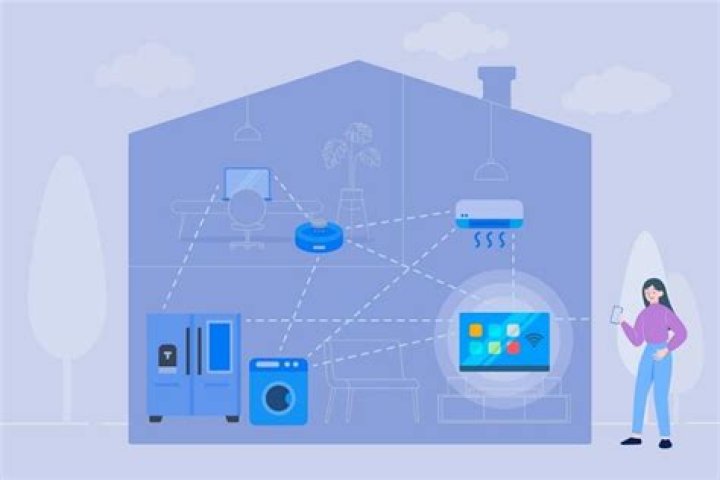
In today's digital age, the concept of "best remoteIoT P2P free" has become increasingly important for businesses and individuals seeking seamless connectivity without the burden of high costs. RemoteIoT, combined with peer-to-peer (P2P) technology, offers an innovative way to manage devices and data over the internet. Whether you're a tech enthusiast or a business owner, understanding the best free remoteIoT P2P solutions can significantly improve your operations.
As more devices become connected through the Internet of Things (IoT), the demand for efficient, cost-effective remote management tools continues to grow. This article explores the top free remoteIoT P2P solutions available in the market, helping you make informed decisions about your technology stack. By leveraging these tools, you can enhance productivity, reduce costs, and ensure smooth operations.
Throughout this guide, we will delve into the intricacies of remoteIoT P2P technology, providing practical insights and actionable advice. Whether you're looking to set up a smart home, manage industrial equipment, or simply explore the potential of IoT, this article will equip you with the knowledge you need to succeed.
What is RemoteIoT?
RemoteIoT refers to the ability to manage, monitor, and control Internet of Things (IoT) devices remotely. This technology allows users to interact with connected devices from anywhere in the world, provided they have an internet connection. The term "remoteIoT" encompasses a wide range of applications, from smart home automation to industrial equipment management.
By integrating remoteIoT solutions into your operations, you can:
- Reduce manual intervention
- Improve device efficiency
- Lower operational costs
The growing adoption of IoT devices has made remoteIoT an essential component of modern technology infrastructure, especially when combined with P2P technology for enhanced connectivity.
Understanding P2P Technology
Definition and Basics
Peer-to-peer (P2P) technology enables devices to communicate directly with one another without relying on a central server. This decentralized approach offers several advantages, including improved speed, reliability, and cost-effectiveness. In the context of remoteIoT, P2P technology allows devices to exchange data seamlessly, even when traditional server-based solutions may fail.
Advantages of P2P in RemoteIoT
- Scalability: P2P networks can handle a large number of devices without compromising performance.
- Cost Efficiency: By eliminating the need for centralized servers, P2P solutions reduce infrastructure costs.
- Resilience: P2P networks are less prone to single points of failure, ensuring continuous operation.
These advantages make P2P technology an ideal choice for remoteIoT applications, particularly in scenarios where reliability and efficiency are critical.
Why Free Solutions Matter
In an era where technology adoption is crucial for staying competitive, free remoteIoT P2P solutions offer a viable option for businesses and individuals on a budget. These solutions provide access to cutting-edge technology without the financial burden of expensive licenses or subscriptions. By choosing free options, users can:
- Test and evaluate tools before committing to paid solutions
- Reduce initial investment costs
- Explore innovative features without financial constraints
However, it's important to note that free solutions may come with certain limitations, such as reduced functionality or lack of advanced support. Careful evaluation is essential to ensure that the chosen solution meets your specific needs.
Top RemoteIoT P2P Free Options
Option 1: OpenIoT
OpenIoT is a popular open-source platform that offers robust remoteIoT capabilities with P2P integration. This solution is ideal for developers and businesses looking to build custom IoT applications without incurring licensing costs. Key features include:
- Scalable architecture
- Support for multiple protocols
- Active community for support and collaboration
Option 2: Freeboard
Freeboard provides a user-friendly interface for managing IoT devices remotely. With its P2P capabilities, Freeboard ensures seamless connectivity and real-time data exchange. This solution is particularly useful for individuals and small businesses seeking an intuitive platform. Key features include:
- Drag-and-drop dashboard creation
- Integration with various IoT platforms
- Free tier for basic functionality
Option 3: ThingsBoard
ThingsBoard is a versatile IoT platform that supports remote device management and P2P communication. This free solution is well-suited for both beginners and advanced users, offering a wide range of features and customization options. Key features include:
- Advanced analytics and visualization
- Support for edge computing
- Community edition available for free
Benefits of RemoteIoT P2P
The integration of remoteIoT and P2P technology offers numerous benefits that can significantly enhance your operations. These benefits include:
- Enhanced Connectivity: P2P technology ensures reliable communication between devices, even in challenging network conditions.
- Cost Savings: By eliminating the need for centralized servers, remoteIoT P2P solutions reduce infrastructure and maintenance costs.
- Improved Efficiency: Remote management capabilities allow for faster troubleshooting and device optimization, boosting overall productivity.
These advantages make remoteIoT P2P solutions an attractive option for organizations across various industries.
Challenges and Solutions
Common Challenges
While remoteIoT P2P technology offers numerous benefits, it also presents certain challenges. These include:
- Complexity: Implementing P2P solutions may require technical expertise.
- Security Risks: Decentralized networks can be vulnerable to cyber threats if not properly secured.
- Compatibility Issues: Ensuring seamless integration with existing systems can be challenging.
Possible Solutions
To overcome these challenges, consider the following strategies:
- Seek professional guidance for implementation and configuration.
- Implement robust security measures, such as encryption and authentication protocols.
- Choose solutions that offer compatibility with a wide range of devices and platforms.
By addressing these challenges proactively, you can maximize the potential of remoteIoT P2P technology.
Security Considerations
Security is a critical concern when implementing remoteIoT P2P solutions. To protect your devices and data, consider the following best practices:
- Use strong encryption protocols to secure data transmission.
- Implement multi-factor authentication for device access.
- Regularly update software and firmware to patch vulnerabilities.
Additionally, staying informed about the latest security threats and trends can help you stay ahead of potential risks. Refer to reputable sources, such as the National Institute of Standards and Technology (NIST), for guidance on IoT security.
Implementation Tips
Successfully implementing remoteIoT P2P solutions requires careful planning and execution. Follow these tips to ensure a smooth transition:
- Define clear objectives and identify the specific needs of your organization.
- Choose a solution that aligns with your budget and technical requirements.
- Provide adequate training and support for team members involved in the implementation process.
By following these tips, you can optimize the performance and effectiveness of your remoteIoT P2P solution.
Real-World Applications
RemoteIoT P2P technology has been successfully implemented in various industries, including:
- Smart Homes: Enabling homeowners to control appliances, lighting, and security systems remotely.
- Industrial Automation: Facilitating real-time monitoring and control of machinery in manufacturing facilities.
- Healthcare: Supporting remote patient monitoring and telemedicine applications.
These applications demonstrate the versatility and potential of remoteIoT P2P solutions in enhancing connectivity and improving operational efficiency.
Conclusion
The "best remoteIoT P2P free" solutions offer a powerful way to manage IoT devices remotely while minimizing costs. By understanding the key features, benefits, and challenges of these solutions, you can make informed decisions about integrating them into your operations. Remember to prioritize security, choose the right solution for your needs, and follow best practices for implementation.
We invite you to share your thoughts and experiences with remoteIoT P2P technology in the comments below. Additionally, explore our other articles for more insights into IoT and related technologies. Together, let's build a smarter, more connected future.